
How to Generate Hourglass AI Images — Complete Guide
A fitted waistline does more work in these images than anything else in the wardrobe. Cinch the middle, let the hips carry the frame, and the silhouette registers before the face does. That is the entire proposition of the hourglass category on AINudeGirls: you select it, the platform writes the prompt around it, and the shape holds across whatever else you stack on top.
For background on the subject itself, see Hourglass figure on Wikipedia.
Everything below is reachable two ways — the hourglass category page, or straight from the generator.
What Makes It Hourglass
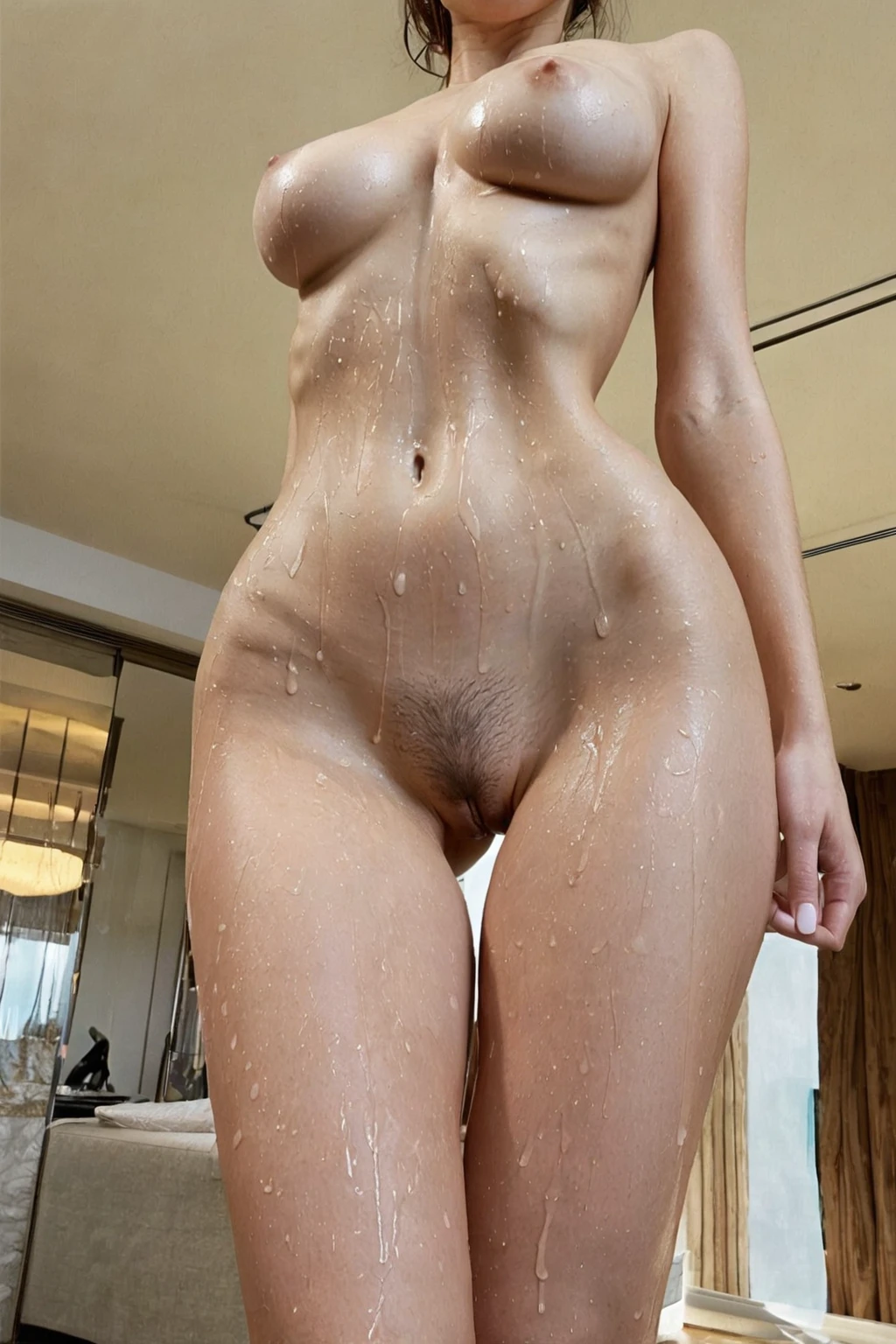
One description governs the whole category: a perfect hourglass figure with narrow waist and full hips. Shoulders and hips stay broad, the midsection stays slender, and an image that does not show both halves of that relationship does not belong here.
Wardrobe is where it becomes visible. Corsetry and fitted waistlines pull the eye straight to the narrow centre. Halter tops and backless dresses keep the defined waist on display without hiding the hips. Lighting matters just as much — a raking side light traces the taper of the waist and the swell of the hip in one pass, and the form stops being a description and becomes a shape.
Framing shifts the reading again. A low angle stretches the torso and exaggerates the taper. A high angle sets shoulders and hips against each other so the balance between them is the subject. Neither is more correct; they emphasise different halves of the same figure. Tone follows the scene, elegant or playful, without touching the silhouette itself.
hourglass example 1
hourglass example 2
hourglass example 3
hourglass example 4
hourglass example 5
hourglass example 6
hourglass example 7
hourglass example 8
hourglass example 9
hourglass example 10
hourglass example 11
hourglass example 12
hourglass example 13
hourglass example 14
hourglass example 15
hourglass example 16
There are 30 frames in the hourglass gallery in total. The realistic cut narrows that down to the photoreal ones.
What the Prompt Looks Like
You never type any of this. The platform assembles the prompt from the categories you select, and what hourglass contributes to that assembly is a single clause:
```text
perfect hourglass figure with narrow waist and full hips
```
That is the category's whole job. It describes the body and nothing else — no setting, no pose, no camera. Read it as one ingredient rather than a finished instruction.
The rest comes from whatever you select alongside it. Pick hourglass together with orgasm, and the scene half of the prompt looks like this:
```text
a young woman lying spread-eagle on white sheets at the peak of intense orgasm, both legs wide open with knees bent apart, back arched dramatically off the bed, mouth open in a silent cry of pleasure, body glistening with sweat, her completely shaved smooth pink pussy fully exposed and visibly contracting in climax, both hands gripping the sheets, intimate full-body low-angle shot focused on her exposed pussy, soft warm bedroom lighting, female alone in frame, no other people
```
Pick it alongside orgy instead, and you get a different frame entirely:
```text
a group of several completely nude young women together at a private erotic party, entangled and caressing each other, arching bodies and parted lips, multiple women in frame, sapphic group scene, warm party lighting, full bodies visible, women only, no men
```
Notice what changes and what does not. The scene supplies the bodies, the lighting and the shot; the body clause rides along and settles the figure. Swap the scene, keep the silhouette.
Your First Run
1. Open the Generate page and select hourglass. Add any other categories you want in the same scene.
2. Start the generation. The platform composes the prompt, and the finished frames land in your gallery as WebP files at 1312x1968.
3. There is a male-partner control on the Generate page, switched off when you arrive — nobody else enters the frame unless you change that.
A single image costs 15 credits. Sets bring the per-image cost down: five for 68, ten for 120. Video runs 250.
Avoidable Mistakes
The most common one is stacking body types. Select hourglass and then also select athletic, bbw, bimbo, chubby, curvy or muscular, and only one of the two reaches the image — the one you picked first. The other is quietly dropped, and you spend credits on a body you did not ask for. Choose one and commit.
The second is diluting the shape with competing description. Load the scene with other body traits and the taper stops being the point of the picture. The narrow waist and the full hips have to both be legible; when one of them goes soft, the frame reads as a generic figure study instead.
Close Calls
Three categories sit close enough to hourglass that people reach for the wrong one:
Category What it actually is
--- ---
hourglass (this guide) perfect hourglass figure with narrow waist and full hips
athletic athletic toned fit body with defined muscles
bbw BBW plus-size figure with full curves, voluptuous heavy body
chubby chubby plump body with soft curves and full belly
The distinction is proportion versus mass. Athletic is about definition, bbw and chubby are about fullness carried throughout. Hourglass is about the ratio between the parts.
What to Select Alongside
Anything that is not a body type combines cleanly. Scenes, settings, wardrobe, camera angle, action — none of them compete with the body clause, so they simply layer on. The two partner scenes above are the pattern: pick the shape, pick the situation, and the platform writes both into one prompt.
Where you have to choose is inside the body-type group itself. One body per image, and only the first one you selected survives, so treat that pick as exclusive rather than additive.
Hourglass Questions
Do I write the prompt myself?
No. You select categories and the platform builds the prompt from them. The clause shown above is the part hourglass adds to it.
Can I use hourglass and curvy together?
You can select both, but only one will appear in the image — whichever you picked first. Pick the single body type you actually want.
What file do I get back?
A WebP image at 1312x1968, delivered to your gallery.
What does an image cost?
15 credits for one. A five-image set is 68 and a ten-image set is 120, so the per-image cost drops as the set grows.
Nearby Guides
The closest neighbours, each with its own guide:
Every category guide is indexed on the blog index.