
How to Generate Standing AI Images — Complete Guide
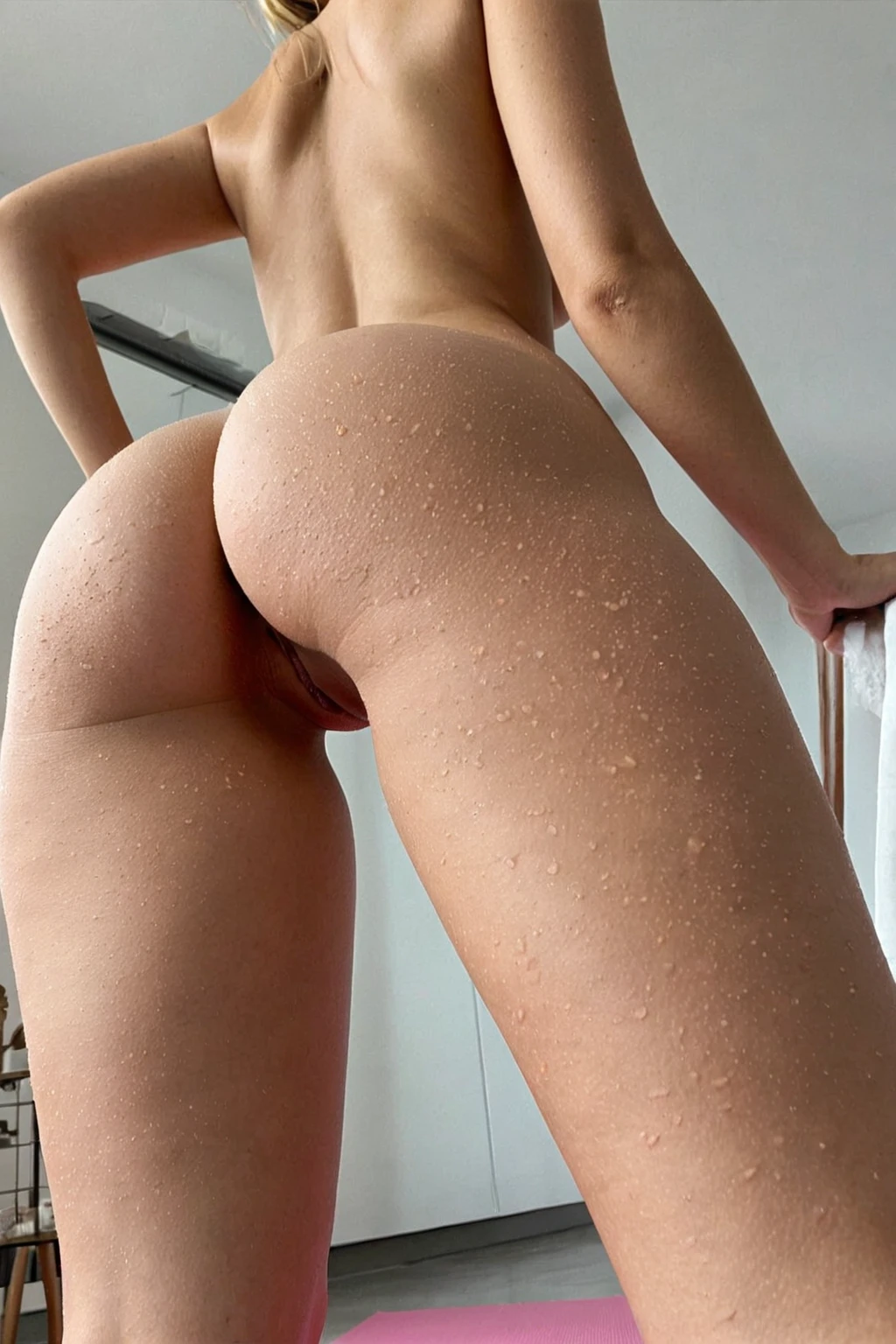
A chair back gripped with both hands, one leg lifted onto the seat, a lamp throwing soft light across her shoulders from three-quarters behind. Swap the chair for a bare wall and harden the light, and the same pose becomes shadow and contour instead. Standing lives in rooms that have something solid to brace against. That is the register the whole category works in on AINudeGirls.
None of it gets typed by you. Pick the category, add whatever else you want standing in the room with her, and the prompt is assembled on your behalf. Look at what it produces before you spend anything, or open the generator with standing already selected.
What Standing Actually Looks Like
Sex performed standing up: he holds her, or she stands bent forward. Both bodies stay upright with their weight on their feet, so nobody is lying down, kneeling, or seated. That is the whole definition, and it is the one thing that has to be legible in the finished image.
Two things have to survive into the frame — the upright bodies, and the act itself. Implied, cropped, or half out of shot does not count.
Where it gets slippery is the wall shot. A couple pressed against a wall reads as vertical in a thumbnail, but if one person's knees are folded and their weight is parked on the edge of a bed, that is a different category wearing this one's silhouette. The test is not how it looks at a glance. It is whether both people's feet are genuinely carrying them for the act being shown. Partial kneeling, partial sitting, any load taken by furniture: that belongs somewhere else, whatever the camera angle suggests.
What Gets Fed In
Nobody writes prompts on this platform. It is still worth seeing what your category pick turns into, because it explains why some combinations hold together and others quietly fight each other.
Choosing standing contributes text built like this:
```text
POV from behind a young woman alone standing with one leg lifted onto a chair, hands braced on the chair back, looking back at the camera with a hungry expression, full body visible, bright soft three-quarter angle lighting, female alone in frame, no other people
```
Read it in pieces. A young woman alone standing with one leg lifted onto a chair is the pose. Hands braced on the chair back is the anchor, and standing poses need something load-bearing in frame or the body starts to drift. POV from behind plus looking back at the camera fix the viewpoint and where her attention goes. Full body visible keeps legs and feet in shot, which is the only way that defining look can be verified at all. Bright soft three-quarter angle lighting sets the mood, and the closing clause handles the headcount.
Repeat generations do not all receive the same text. The category rotates through scene variants, so runs also come out of versions like these:
```text
POV first-person rear angle of a young woman alone standing facing AWAY from the camera with one leg lifted up onto a chair seat, hands braced on the chair back in front of her, her bare ass thrust back toward the camera, her completely shaved smooth pink pussy fully exposed between her thighs from behind, looking back over her shoulder at the camera with a hungry expression, full body visible, bright soft three-quarter angle lighting, female alone in frame, no other people
```
```text
POV first-person rear angle of a young woman alone standing facing AWAY from the camera with one leg lifted high and resting on a bed's edge, hands braced on the wall in front of her, bare ass thrust back, completely shaved smooth pink pussy fully exposed from behind between her thighs, looking back over her shoulder with parted lips, intimate three-quarter rear view, warm bedroom lighting, full body visible, female alone in frame, no other people
```
Line the three up and the pattern is obvious. The pose and the bracing hold; the prop moves — chair back, chair seat, bed edge, wall — and the light swings from bright and clinical to warm and domestic. The posture words carrying the category are the ones that never move: *standing position*, *standing upright*, *lifted pose*.
Running a Standing Generation
1. Open the Generate page and select Standing from the category list. A male partner comes with the category; he is part of its definition rather than an extra you add.
2. Stack other categories on top to furnish the scene — a setting, a lighting mood, body type, ethnicity, a specific act. Each one narrows the result without you describing anything.
3. Start the generation. Finished images land in your gallery as WebP files at 1312x1968, with no export or conversion step in between.
One image costs 15 credits. Sets work out cheaper per picture: five for 68 credits, ten for 120.
standing example 1
standing example 2
standing example 3
standing example 4
standing example 5
standing example 6
standing example 7
standing example 8
standing example 9
standing example 10
standing example 11
standing example 12
standing example 13
standing example 14
standing example 15
standing example 16
Thirty finished examples sit in the standing gallery, and the photoreal-only cut is a narrower view of the same set.
What Trips People Up
The mistake underneath most disappointing results is treating this category as shorthand for "not on a bed." That is far broader than the real definition, and the generator ends up trying to satisfy two ideas at once. Then come the familiar tells: a figure that seems to hover, limbs bleeding into background objects, a body braced at an angle no spine would survive.
Every standing generation ships with negatives aimed squarely at that list — merged bodies, extra limbs, extra legs, extra feet, floating genitals. Those are not generic quality terms. They are the specific ways two full upright bodies come apart when both have to stay coherent from head to feet in a single frame.
When something does look wrong, it is nearly always one of two faults. A limb has come loose, or the pose is upright but not load-bearing, with the weight visibly resting on furniture instead of the floor. Run it again; both usually clear.
And if a batch feels samey, change something around the pose rather than firing off the same combination a fourth time. A different room or a different light rebuilds the picture. The pose is the constant here; nothing else has to be.
Standing Compared
The categories this one gets confused with, and what each of them actually is:
Category What it actually is
--- ---
standing (this guide) sex performed standing up, he holds her or she stands bent
cowgirl she straddles and rides the man who lies on his back, she is on top and upright
doggy style penetration from behind while she is on all fours or bent forward, penetrator kneeling behind her
missionary she on her back, legs spread or around him, penetrated from on top face-to-face
The quick discriminator: cowgirl and missionary both put somebody on their back, doggy style drops the penetrating partner onto their knees, and standing is the only one of the four where all four feet stay on the floor for the duration of the act.
Building a Bigger Scene
Standing is a scene category, and scenes do not stack. Select standing and, say, against-wall or 69-position in the same run and you will not get a hybrid — you get whichever one you picked first, and the other is simply ignored. Choose one scene and commit to it.
Everything outside that group behaves differently and does layer. Setting, lighting mood, body type, ethnicity, and secondary details all sit alongside standing without competing for the same slot. That is where variety actually comes from: hold the pose steady and rebuild the room around it.
Quick Answers
If nobody is on a bed, does that make it standing?
No. Kneeling on a rug, perching on a chair, or bending over a dresser with your weight on it are all off-bed and all outside this category. Feet carrying the load is the requirement, not the absence of a mattress.
Do I have to describe the pose myself?
No. The prompt text shown above is assembled from your category selection. Your job is picking standing and deciding what else belongs in the scene.
What comes back, and what does it cost?
WebP at 1312x1968, delivered straight to your gallery. Fifteen credits for a single image, 68 for a set of five, 120 for a set of ten.
Can I select standing and another scene at the same time?
You can select both, but only the first one shows up in the image. If you want the other one, run it as its own generation.
Continue Exploring
The nearest neighbours to this category:
- How to generate **cowgirl** AI images
- How to generate **doggy style** AI images
- How to generate **missionary** AI images
Every category guide is indexed on the blog.